
01
Give Us a Call
Connect with Coleman Bail Bonds 24/7. Tell us about your situation and we'll help you understand where to begin.

Navigating the bail process can feel confusing, especially when you're unsure what to expect. We've put together answers to common questions about bail bonds in Florida to help you better understand the process, your options, and what happens next. At Coleman Bail Bonds, we're committed to providing clear information and dependable guidance when you need it most.
Explore practical articles, expert insights, and helpful resources covering Florida bail bonds, arrest warrants, and the jail release process. Whether you're looking to understand your options or support a loved one, Coleman Bail Bonds provides clear information to help you take the next step with confidence.
Disclaimer: Content is provided for general informational purposes only and does not constitute legal advice. For guidance specific to your situation, consult a qualified attorney.
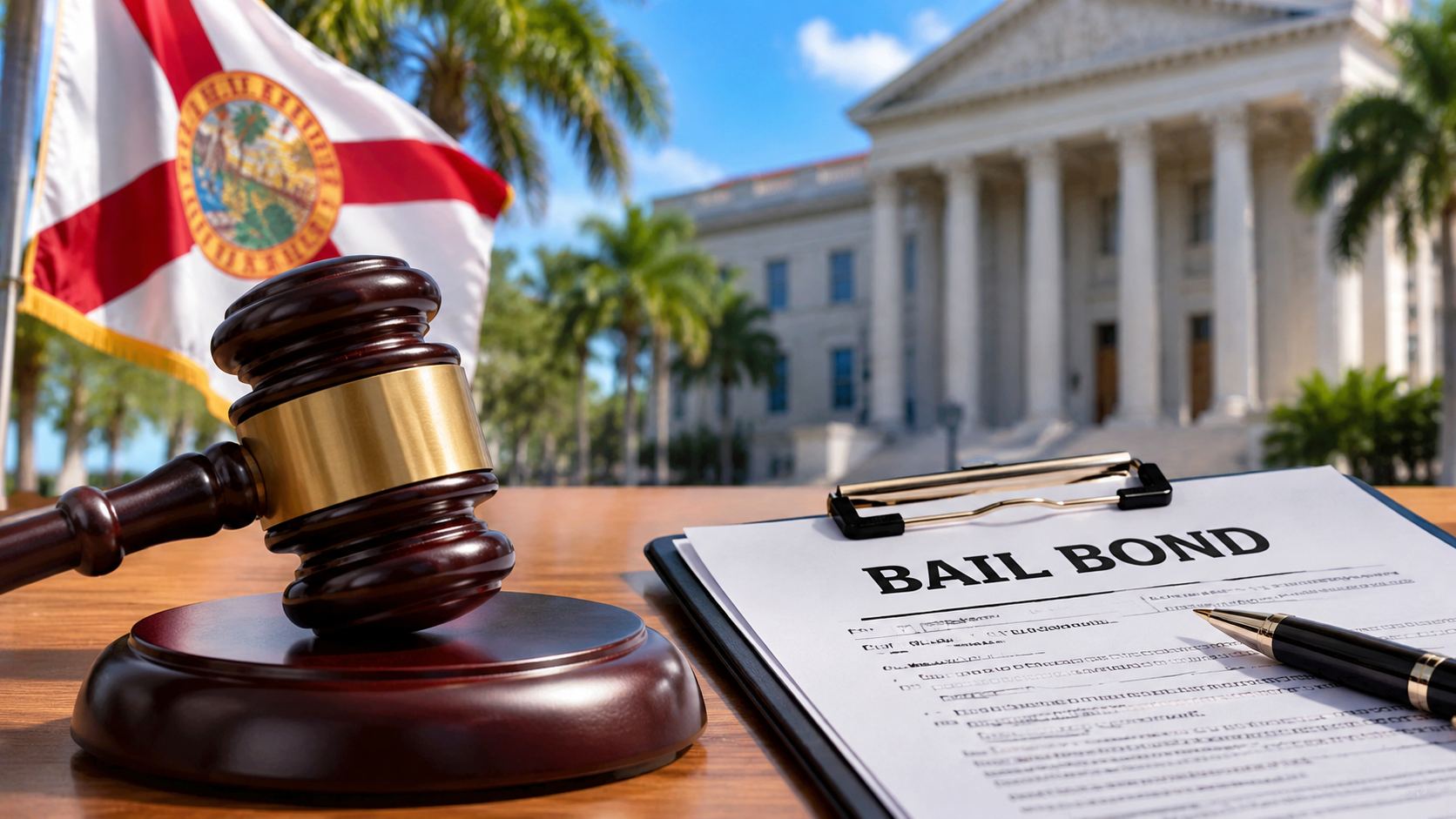
Understanding the Bail Bond Process in Florida:
Getting arrested or learning that someone you care about has been taken into custody can be overwhelming. Between understanding the charges, locating the person, and figuring out how bail works, it's easy to feel uncertain about what to do next.
The good news is that understanding the bail bond process can help you make more informed decisions.
At Coleman Bail Bonds, we believe that clear information makes a difference during stressful situations. This guide explains how bail bonds work in Florida, what to expect during the release process, and the responsibilities involved after posting bail.
Bail is a financial guarantee or set of release conditions established by the court to help ensure that a defendant returns for scheduled court proceedings.
When a monetary bond is required, a licensed bail bond agency may be able to help secure the defendant's release without requiring the full bail amount to be deposited directly with the court.
A bail bond company provides a surety bond guaranteeing the defendant's appearance in court. In exchange, the person arranging the bond pays a regulated premium and agrees to the terms of the bail bond contract.
It's important to understand that posting bail does not dismiss criminal charges. It allows an eligible defendant to remain outside of custody while their case moves through the legal system, provided they follow the conditions of release.
Before beginning the bonding process, determine where the individual is being held.
You can contact the appropriate county detention facility or use an official inmate search service, if available.
Having the defendant's full legal name, date of birth, and booking information can make it easier to locate the correct records.
Not every arrest results in immediate eligibility for release on bond.
Depending on the charges and circumstances, bail may be established through an applicable bond schedule or determined by a judge.
Some cases may require a court appearance before a bond amount is set. Other cases may involve restrictions or conditions that affect eligibility.
Before proceeding, confirm whether the defendant is eligible for release and whether any additional holds or requirements apply.
Once the bond amount and release eligibility have been confirmed, the next step is to contact a licensed bail bond agency.
Coleman Bail Bonds can help explain the bonding process, required information, and responsibilities associated with obtaining a surety bond.
During the initial discussion, you may be asked to provide the defendant's personal information, booking details, bond amount, and contact information for the person arranging the bond.
The bail bond application establishes the agreement between the bail bond agency and the individuals accepting responsibility for the bond.
Depending on the situation, the process may require identification, financial information, and additional supporting documents.
If a cosigner or indemnitor is involved, that person should carefully review the agreement before signing.
Understanding the payment terms, financial responsibilities, and release conditions is an important part of the process.
Florida regulates the premiums charged for bail bonds.
For most state criminal surety bonds, the standard premium is 10% of the bond amount, with a minimum premium of $100 per charge. Different rules may apply to certain bond types, and additional legally permitted costs or collateral requirements may be involved.
For example, a $5,000 state criminal bail bond would generally require a $500 premium.
The premium paid to a bail bond company is typically nonrefundable because it compensates the agency for providing the bond.
Always confirm the applicable charges and review the agreement before making a payment.
After the application has been approved and the required arrangements are completed, the bail bond agency can proceed with posting the bond.
The detention facility must then process the bond and complete its release procedures.
Release times vary depending on the jail's workload, the defendant's booking status, additional holds, and other administrative requirements.
Although the bonding process may be completed promptly, the final release timeline is controlled by the appropriate authorities.
Being released on bail comes with important obligations.
The defendant must attend all required court appearances and comply with any additional conditions established by the court.
These may include travel restrictions, reporting requirements, or other instructions specific to the case.
Missing a court date or violating release conditions can result in serious consequences, including a warrant, bond forfeiture, or return to custody.
Keeping track of court dates and maintaining communication with an attorney and bail bond agent can help avoid unnecessary complications.
In some cases, a bail bond agency may require another person to sign the agreement.
This individual, commonly called a cosigner or indemnitor, accepts certain financial responsibilities associated with the bond.
Depending on the agreement, these responsibilities may include ensuring the defendant complies with bond requirements and covering certain losses or expenses if the defendant fails to meet their obligations.
Before cosigning, it's important to understand the terms of the contract, any collateral requirements, and when your financial responsibilities will end.
A few common mistakes can create unnecessary delays or complications.
Providing incomplete information: Incorrect booking details or missing documents can slow down the application process.
Not reviewing the bond agreement: Every person signing a bail bond contract should understand the financial and legal obligations involved.
Ignoring court requirements: Release conditions remain important even after the defendant leaves jail.
Assuming release is immediate: Posting a bond does not guarantee that the detention facility will release someone within a specific timeframe.
Failing to communicate: Keeping the bail bond agency informed about relevant changes can help prevent misunderstandings.
Taking time to understand these details can make the process easier to manage.
When a loved one is arrested, families often have to make important decisions quickly.
Understanding the process, gathering the necessary information, and knowing what questions to ask can help reduce confusion.
Coleman Bail Bonds is committed to helping individuals and families understand the bail bond process and the responsibilities involved.
Whether you're exploring your options or preparing to complete an application, having clear information can help you move forward with greater confidence.
Dealing with an arrest can be stressful, but you don't have to navigate the bonding process without guidance.
At Coleman Bail Bonds, we're here to explain the process, answer your questions, and help you understand the next steps when a bail bond is available.
Contact Coleman Bail Bonds to learn more about your bonding options.
For assistance or questions about the bail bond process, contact our team directly.
Call Coleman Bail Bonds: (561) 502-8676
Disclaimer: This article is intended for general informational purposes only and does not constitute legal advice. Bail eligibility, fees, court procedures, and release requirements depend on the circumstances of each case and applicable Florida law. Consult a qualified attorney for legal guidance.
Located along South Military Trail in West Palm Beach, Florida.
Copyrights @2026 · Coleman Bail Bonds LLC · Privacy Policy · Terms
Copyrights @2026 · Coleman Bail Bonds LLC ·
Privacy Policy · Terms