
01
Give Us a Call
Connect with Coleman Bail Bonds 24/7. Tell us about your situation and we'll help you understand where to begin.

Navigating the bail process can feel confusing, especially when you're unsure what to expect. We've put together answers to common questions about bail bonds in Florida to help you better understand the process, your options, and what happens next. At Coleman Bail Bonds, we're committed to providing clear information and dependable guidance when you need it most.
Explore practical articles, expert insights, and helpful resources covering Florida bail bonds, arrest warrants, and the jail release process. Whether you're looking to understand your options or support a loved one, Coleman Bail Bonds provides clear information to help you take the next step with confidence.
Disclaimer: Content is provided for general informational purposes only and does not constitute legal advice. For guidance specific to your situation, consult a qualified attorney.
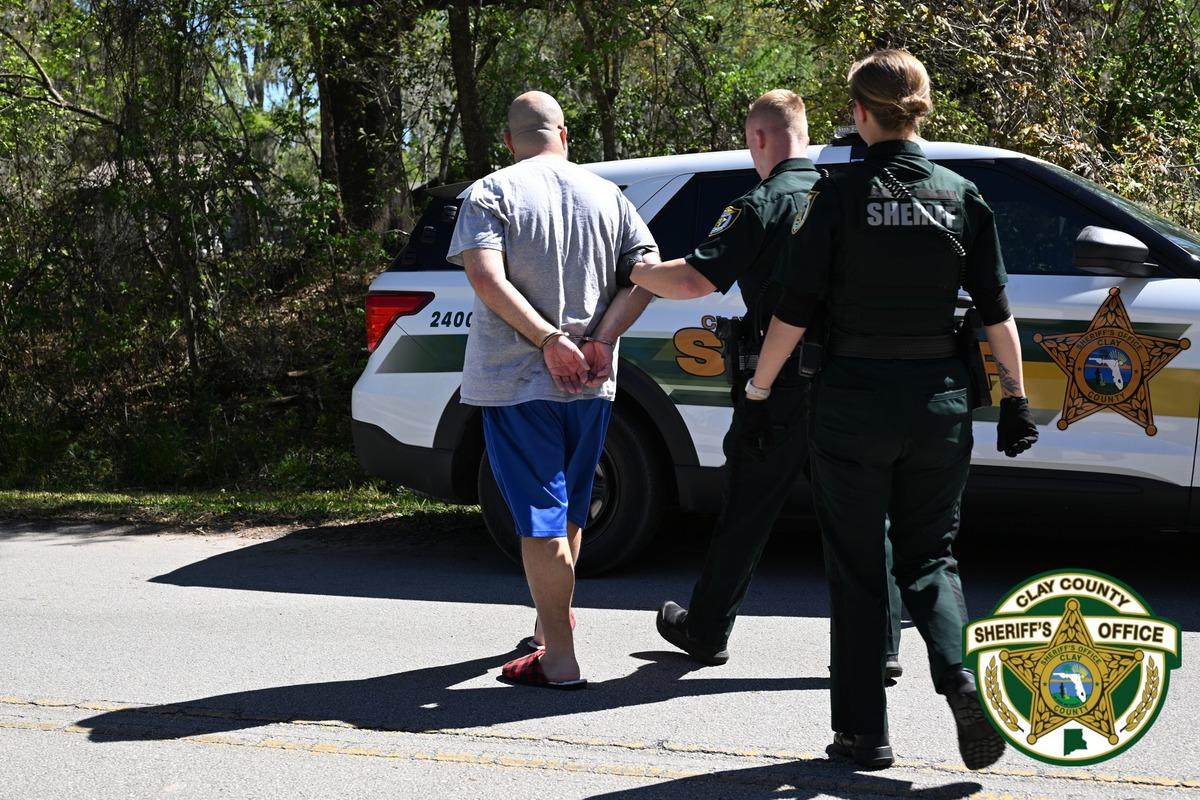
Navigating Arrest Warrants in Florida: Essential Information You Should Know
Discovering that you or someone you care about has an outstanding arrest warrant can be stressful. Uncertainty about what happens next, whether an arrest is unavoidable, and how the legal process works can make the situation even more difficult.
Understanding the basics of arrest warrants in Florida can help you prepare, explore your options, and take appropriate steps toward resolving the situation.
At Coleman Bail Bonds, we believe that having access to clear and reliable information is important when dealing with an arrest or potential detention. This guide explains common types of warrants, what happens when a warrant is issued, and how bail bonds may become part of the process.
An arrest warrant is a legal order issued by a judge or other authorized judicial officer that permits law enforcement to take a person into custody.
Warrants may be issued when authorities establish the required legal grounds for an arrest or when someone fails to comply with certain court obligations.
An active warrant does not necessarily mean that someone has already been convicted of a crime. It generally means that a legal matter requires further action through the criminal justice system.
The circumstances surrounding the warrant can influence how the situation is handled and whether release on bail may be available.
An arrest warrant may be issued when a judicial officer determines that sufficient legal grounds exist to authorize an arrest.
These warrants can involve misdemeanor or felony charges, depending on the alleged offense.
Once issued, the warrant may remain active until it is executed, recalled, or otherwise resolved through the appropriate legal process.
A bench warrant is generally issued by a judge when someone fails to comply with a court requirement.
Common circumstances include missing a scheduled court appearance or failing to follow a court order.
A bench warrant may authorize law enforcement to take the individual into custody and bring them before the court.
Failing to attend a required court hearing can result in a warrant and additional legal consequences.
Depending on the circumstances, a missed appearance may also affect an existing bail bond.
Individuals who discover that they missed a court date should contact a qualified attorney promptly to determine the appropriate next steps.
If you believe a warrant may have been issued, confirming its status is an important first step.
Florida residents may be able to obtain warrant information through official government resources, including:
The appropriate county sheriff's office
Local law enforcement agencies
County clerk of court records
The Florida Department of Law Enforcement's public wanted-person search resources
Not every warrant will necessarily appear in a public database. Information may also be incomplete or delayed.
For this reason, an attorney can help determine the most appropriate way to verify a warrant and understand the legal options available.
When an arrest warrant becomes active, law enforcement may be authorized to arrest the person named in the warrant.
An arrest may occur during a traffic stop, an encounter with law enforcement, or another situation in which the warrant is discovered.
After being taken into custody, the individual may be transported to a detention facility for booking and processing.
Depending on the charges and circumstances, the next steps may include a court appearance, a review of release eligibility, or the establishment of bail conditions.
Not every warrant allows immediate release on bond. Certain cases may require judicial review before release can be considered.
Some individuals choose to address an outstanding warrant through voluntary surrender rather than waiting to be arrested.
Voluntary surrender generally involves making arrangements to report to the appropriate authorities.
In certain circumstances, an attorney may be able to coordinate with the court or law enforcement regarding the surrender process.
However, surrendering voluntarily does not guarantee immediate release, reduced charges, or avoidance of detention.
The available procedures depend on the warrant, the jurisdiction, and the individual's circumstances.
Before making surrender arrangements, consulting a qualified criminal defense attorney can help clarify the legal requirements and potential consequences.
After an arrest, the court or applicable release procedures may determine whether the individual is eligible for bail.
Bail is intended to help ensure that a defendant attends required court proceedings and follows applicable release conditions.
When a monetary bond is authorized, a licensed bail bond agency may be able to assist with securing release.
The process generally involves confirming the bond amount, completing the required paperwork, paying the applicable premium, and posting the bond.
Additional conditions or restrictions may apply depending on the case.
Coleman Bail Bonds can help explain the bonding process when release on a surety bond is permitted.
If a loved one has been arrested because of an outstanding warrant, gathering accurate information can help you understand the next steps.
Important details may include:
The defendant's full legal name and date of birth
The county or detention facility handling the arrest
Available booking or case information
The charges associated with the warrant
The established bond amount, if one is available
A bail bond agency may request additional identification, financial information, or supporting documents before proceeding.
Providing accurate information can help prevent unnecessary delays during the application process.
Resolving an arrest warrant or obtaining release on bail does not necessarily end the underlying legal case.
Defendants must continue following all applicable court orders and release conditions.
These responsibilities may include attending scheduled hearings, complying with travel restrictions, and maintaining required communication with appropriate parties.
Failure to follow court requirements can lead to additional legal consequences, including new warrants, bond forfeiture proceedings, or changes to release conditions.
Keeping accurate records of court dates and communicating with legal counsel can help individuals stay informed throughout the process.
An outstanding warrant is a serious legal matter. Certain mistakes can make the situation more complicated.
Ignoring the warrant: An active warrant generally does not disappear simply because time has passed. Its status must be addressed through the appropriate legal procedures.
Relying on unverified information: Online records may not reflect the most recent updates. Confirm important details through official sources or an attorney.
Assuming bail is automatically available: Release eligibility depends on the charges, court decisions, and other relevant circumstances.
Missing additional court dates: Failing to attend a required hearing can create further legal complications.
Signing agreements without understanding them: Anyone arranging a bail bond should carefully review the contract, payment terms, and financial responsibilities.
Taking informed steps can help individuals and families better understand their options.
When someone you care about is arrested on an outstanding warrant, the situation can feel overwhelming.
Family members may need to locate the person, confirm their detention status, understand whether bail is available, and arrange the necessary paperwork.
Having access to clear information can make these responsibilities easier to manage.
Coleman Bail Bonds is committed to helping individuals and families understand the bonding process, the information required, and the responsibilities involved when a bail bond is available.
Dealing with an outstanding warrant or a warrant-related arrest can raise many questions about bail eligibility and the release process.
At Coleman Bail Bonds, we're here to provide information about bail bonds, explain the application process, and help you understand the next steps when bonding is permitted.
For questions about bail bond assistance, contact our team directly.
Call Coleman Bail Bonds: (561) 502-8676
Disclaimer: This article is intended for general informational purposes only and does not constitute legal advice. Arrest warrants, bail eligibility, surrender procedures, and release requirements vary depending on the circumstances and applicable Florida law. Consult a qualified attorney for advice regarding your specific legal situation.
Located along South Military Trail in West Palm Beach, Florida.
Copyrights @2026 · Coleman Bail Bonds LLC · Privacy Policy · Terms
Copyrights @2026 · Coleman Bail Bonds LLC ·
Privacy Policy · Terms