
01
Give Us a Call
Connect with Coleman Bail Bonds 24/7. Tell us about your situation and we'll help you understand where to begin.

Navigating the bail process can feel confusing, especially when you're unsure what to expect. We've put together answers to common questions about bail bonds in Florida to help you better understand the process, your options, and what happens next. At Coleman Bail Bonds, we're committed to providing clear information and dependable guidance when you need it most.
Explore practical articles, expert insights, and helpful resources covering Florida bail bonds, arrest warrants, and the jail release process. Whether you're looking to understand your options or support a loved one, Coleman Bail Bonds provides clear information to help you take the next step with confidence.
Disclaimer: Content is provided for general informational purposes only and does not constitute legal advice. For guidance specific to your situation, consult a qualified attorney.
Helping a Loved One Through an Unexpected Arrest: A Family's Guide
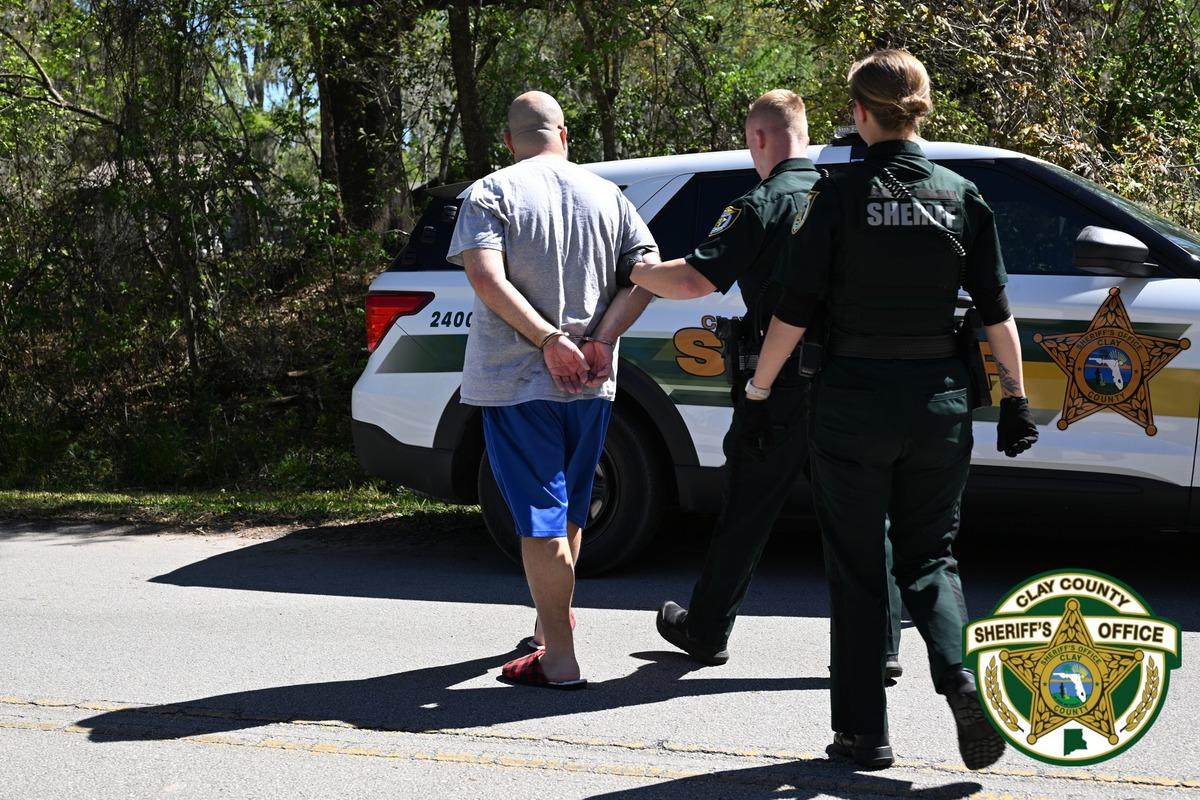
Receiving a phone call that someone you care about has been arrested can be frightening. Whether it's a family member, close friend, or partner, the news can leave you feeling worried, confused, and unsure of what to do next.
During these moments, having the right information can make a meaningful difference.
Understanding where your loved one is being held, how the bail process works, and what steps may be required for release can help you approach the situation with greater confidence.
At Coleman Bail Bonds, we understand that an arrest can affect more than just the person in custody. Families often face difficult decisions, unexpected responsibilities, and emotional stress. This guide offers practical information to help you navigate the process and support someone you care about.
During booking, law enforcement may collect identifying information, record the charges, take fingerprints and photographs, and review relevant records.
Depending on the circumstances, the individual may be eligible for release under an established bond schedule or may need to appear before a judge.
Some arrests involve additional holds, restrictions, or legal requirements that can affect when release becomes possible.
Understanding these procedures can help families prepare for the next steps without assuming that every case will follow the same timeline.
An unexpected arrest can create a sense of urgency, but gathering accurate information is one of the most useful things you can do.
Start by confirming the individual's full legal name, date of birth, and the county where the arrest occurred.
If possible, find out which law enforcement agency made the arrest and where the person is being held.
Having these details available can make it easier to locate the correct detention records and determine whether bail information is available.
Avoid relying on rumors or incomplete information, especially during the early stages of the booking process.
Once you have the necessary identifying information, the next step is to confirm where your loved one is being detained.
Many Florida county sheriff's offices provide online inmate search tools that allow the public to review available custody information.
Depending on the facility, these records may include:
The individual's name and booking number
Date of arrest or booking
Listed criminal charges
Bond amount, if established
Current detention status
If the information is not available online, you may contact the appropriate detention facility directly.
Keep in mind that booking records may take time to appear or update, and not all information is publicly accessible.
After locating your loved one, it's important to determine whether release on bail is available.
Bail is a financial guarantee or set of conditions intended to help ensure that a defendant returns for required court proceedings.
In Florida, bail eligibility depends on several factors, including the alleged offense, applicable legal requirements, and any court orders.
Some individuals may qualify for release under an established bond schedule, while others may need to appear before a judge.
Certain charges or circumstances may involve additional restrictions.
Before making arrangements, confirm the bond amount, release eligibility, and whether any other holds could prevent release.
If the court or applicable release procedures authorize a monetary bond, families may have different options for securing release.
One option may involve depositing the required bail amount directly with the appropriate court or detention facility.
Another option is to work with a licensed bail bond agency.
A bail bond company provides a surety bond that serves as a financial guarantee for the defendant's required court appearances.
In exchange, the person arranging the bond pays a regulated premium and agrees to the terms of the bail bond contract.
For most Florida state criminal surety bonds, the standard premium is 10% of the bond amount, subject to a minimum premium of $100 per charge. Different requirements may apply to certain bond types.
Coleman Bail Bonds can help explain the application process, required documentation, and responsibilities involved when a surety bond is available.
Before contacting a bail bond agency, gathering the required details can help make the application process more organized.
You may be asked to provide the defendant's full name, date of birth, detention location, booking information, and established bond amount.
The agency may also request identification, contact information, and financial details from the person arranging the bond.
In certain circumstances, a cosigner or collateral may be required.
Anyone signing a bail bond agreement should carefully review the terms before accepting responsibility.
Understanding the financial obligations and conditions of the agreement is especially important when arranging bail for someone else.
After the necessary paperwork is completed and the bond is accepted, the detention facility must process the defendant's release.
This stage can take time.
Release procedures vary depending on the facility, staffing, booking status, administrative requirements, and any additional holds.
Although families naturally want their loved one to return home as quickly as possible, posting a bond does not guarantee immediate release.
Staying informed and maintaining realistic expectations can help reduce confusion while waiting for the process to be completed.
An arrest can be emotionally difficult for both the person in custody and the people who care about them.
Feelings of fear, frustration, embarrassment, and uncertainty are common during stressful legal situations.
Offering calm, respectful support can help your loved one feel less isolated.
Listen without immediately judging. Give the person an opportunity to explain their concerns without making assumptions about the circumstances.
Encourage responsible decisions. Help them understand the importance of following legal instructions and communicating with their attorney.
Focus on practical needs. Depending on the situation, assistance with transportation, personal belongings, or scheduling may be helpful after release.
Maintain healthy boundaries. Supporting someone does not mean accepting responsibilities you cannot reasonably manage.
Small, thoughtful actions can help create a more stable environment while the legal process continues.
When helping someone obtain a bail bond, you may be asked to act as a cosigner, also known as an indemnitor.
This role can involve significant financial responsibilities.
Depending on the agreement, a cosigner may be responsible for certain losses, expenses, or obligations if the defendant fails to comply with the bond terms.
Before signing, make sure you understand the payment requirements, any collateral arrangements, and the circumstances under which your obligations may end.
Ask questions about any terms that are unclear.
A bail bond agreement is a financial commitment, and it should be reviewed carefully before signing.
Being released from custody does not mean that the criminal case has been resolved.
The defendant must continue complying with all applicable court requirements and release conditions.
Family members can provide practical support by encouraging the individual to:
Keep track of scheduled court appearances
Maintain communication with their attorney
Follow all court-ordered release conditions
Keep important legal documents organized
Notify appropriate parties about relevant changes when required
Missing a court appearance can result in serious consequences, including a warrant, bond forfeiture proceedings, or additional legal complications.
While family support can be valuable, the defendant remains responsible for meeting their legal obligations.
When trying to help someone after an arrest, families sometimes make decisions under pressure.
Being aware of common mistakes can help prevent unnecessary complications.
Acting before confirming the facts: Always verify the detention location, bond amount, and release eligibility before making financial arrangements.
Assuming every arrest qualifies for bail: Certain cases require judicial review or involve restrictions that may affect release.
Signing paperwork without reviewing it: Understand the financial responsibilities and contractual terms before agreeing to a bail bond.
Expecting immediate release: Jail processing procedures vary, and delays may occur even after a bond has been accepted.
Overlooking future court obligations: Helping someone obtain release is only one part of the process. Court appearances and release conditions remain important.
Making informed decisions can help families navigate a challenging situation more effectively.
An arrest can disrupt daily routines, family responsibilities, and future plans.
After release, individuals may need time to address legal obligations, return to work, reconnect with family, and organize upcoming appointments.
Family members can help by encouraging communication, offering practical assistance, and supporting responsible decision-making.
It's also important to recognize that every legal situation is different.
An attorney can provide advice about the charges, court proceedings, and legal options available in a specific case.
Understanding the process and knowing where to seek appropriate assistance can make the experience more manageable.
When someone you care about is arrested, understanding your options is an important first step.
At Coleman Bail Bonds, we're committed to providing clear information about bail bonds, explaining the application process, and helping families understand the responsibilities involved.
Whether you're trying to locate a loved one, confirm bonding requirements, or prepare for the next steps, our team can provide information about the bail bond process when release is available.
Helping a loved one through an unexpected arrest can be overwhelming, especially when you're unfamiliar with the bonding process.
Coleman Bail Bonds is here to answer your questions, explain the available bonding options, and help you understand what comes next.
For assistance or questions about the bail bond process, contact our team directly.
Call Coleman Bail Bonds: (561) 502-8676
Disclaimer: This article is intended for general informational purposes only and does not constitute legal advice. Bail eligibility, bond costs, detention procedures, and release requirements depend on the circumstances of each case and applicable Florida law. Consult a qualified attorney for legal advice regarding your specific situation.
Located along South Military Trail in West Palm Beach, Florida.
Copyrights @2026 · Coleman Bail Bonds LLC · Privacy Policy · Terms
Copyrights @2026 · Coleman Bail Bonds LLC ·
Privacy Policy · Terms